
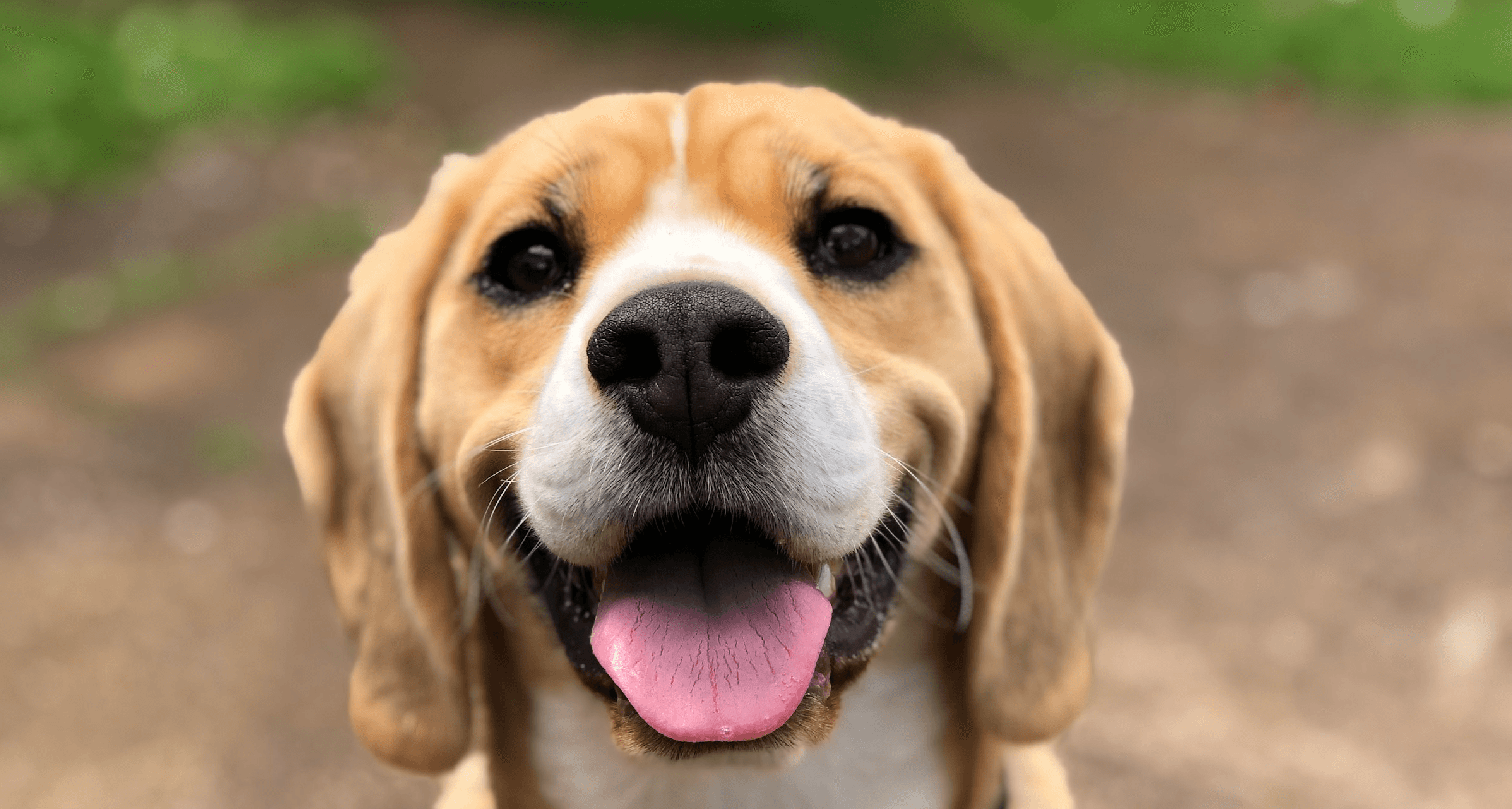
Your Furry friend is not eating?
Worried because your furry friend isn't eating? Don't panic just yet. Check out our latest guide on the most common causes of appetite loss in pets and the best ways to encourage them to eat again.
Why Is My Dog Not Eating? Common Causes and How to Fix It
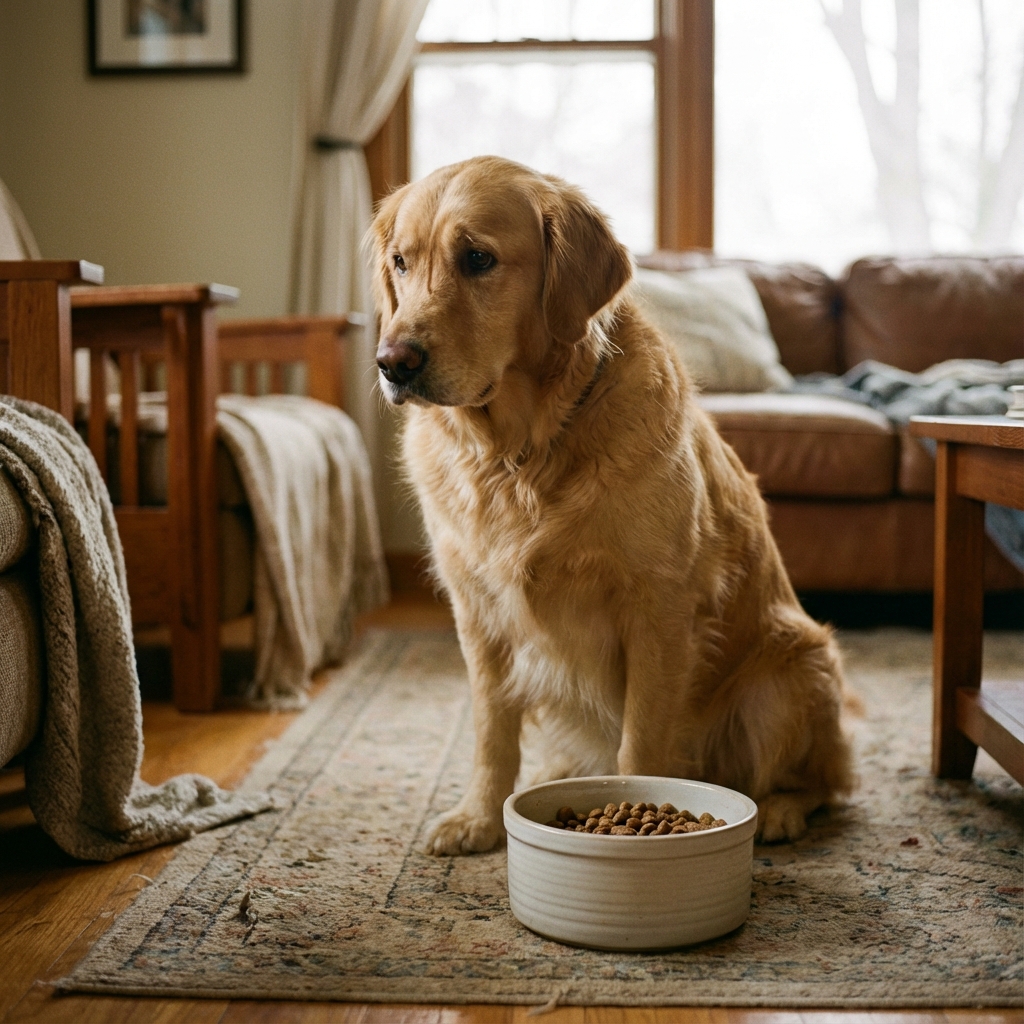
As a pet parent, few things are more concerning than watching your beloved dog turn away from their food bowl. Whether your furry friend has suddenly lost interest in meals or has been a picky eater for a while, understanding the reasons behind their decreased appetite is the first step toward helping them get back to healthy eating habits.
Understanding Your Dog's Normal Eating Behavior
Before we dive into the causes of appetite loss, it's important to understand that dogs, like humans, can have varying appetites from day to day. A healthy adult dog might occasionally skip a meal, especially during hot weather or after a particularly active day. However, if your dog consistently refuses food for more than 24-48 hours, it's time to investigate further.
Common Reasons Why Dogs Stop Eating
1. Recent Vaccinations
It's completely normal for dogs to experience a temporary decrease in appetite after receiving vaccinations. This usually resolves within a day or two. If the loss of appetite persists beyond 48 hours, contact your veterinarian.
2. Environmental and Emotional Factors
Stress and Anxiety Changes in routine, moving to a new home, the addition of a new family member or pet, loud noises, or separation anxiety can all impact your dog's eating habits. Depression Dogs can experience depression, especially after the loss of a companion (human or animal), changes in their living situation, or lack of mental stimulation. Travel Some dogs experience motion sickness or stress during travel, which can suppress their appetite for hours or even days after arriving at a destination.
3. Food-Related Issues
Food Quality Expired, stale, or spoiled food can turn dogs away. Always check expiration dates and store food properly. Sudden Diet Changes Dogs have sensitive digestive systems. A sudden switch to a new food brand or type can cause stomach upset and food refusal. Food Temperature Some dogs prefer their food at room temperature rather than cold from the refrigerator. Boredom with Food Like humans, some dogs simply get tired of eating the same thing every day.
4. Age-Related Factors
Puppies Teething puppies may have sore gums that make eating uncomfortable. They also tend to have smaller stomachs and may need smaller, more frequent meals. Senior Dogs Older dogs often have decreased appetites due to reduced activity levels, slower metabolism, or age-related health issues. Their sense of smell may also diminish, making food less appealing.
5. Medical Reasons
Sometimes a dog’s loss of appetite can be linked to a health-related reason. While this may sound worrying, many of these issues are common and treatable—especially when caught early. Dental Discomfort Issues like sore gums, loose or broken teeth, or minor mouth irritation can make chewing uncomfortable. You may notice extra drooling, your dog pawing at their mouth, or choosing softer foods. A simple dental check can often resolve this. Tummy Troubles Dogs can experience mild stomach upsets just like humans. Temporary digestive discomfort may cause a short-term loss of appetite. Watch for signs like vomiting or loose stools, and consult your vet if symptoms continue. General Illness or Infection Everyday illnesses or minor infections can make dogs feel low on energy and less interested in food. If your dog seems unusually tired, warm, or not quite themselves, a vet visit can help identify the cause early. Parasites Internal parasites can sometimes affect digestion and appetite. With regular deworming and routine vet care, this is usually easy to manage. Reassurance If your dog misses a meal but is otherwise active and cheerful, it’s often not a cause for concern. If appetite loss lasts more than a day or two, or comes with other symptoms, consult your vet immediately.
How to Encourage Your Dog to Eat

Immediate Steps
1. Check the Food Ensure the food hasn't expired and is stored properly. Smell it yourself – if it smells off, your dog will definitely notice! 2. Warm Up the Food Gently warming your dog's food (especially wet food) can enhance its aroma and make it more appetizing. 3. Try Hand-Feeding Sometimes dogs just need a little extra encouragement. Hand-feeding can help strengthen your bond while encouraging eating. 4. Reduce Treats If your dog is filling up on treats throughout the day, they may not be hungry at mealtime. Limit treats to training sessions only. 5. Create a Calm Eating Environment Feed your dog in a quiet area away from household chaos. Some dogs are nervous eaters and need a peaceful space.
Dietary Adjustments
Add Flavor Boosters Consider adding low-sodium chicken broth, a small amount of wet food mixed with dry kibble, or a spoonful of plain pumpkin to make meals more enticing. Try Smaller, More Frequent Meals Instead of two large meals, try offering three or four smaller portions throughout the day. Rotate Proteins If your dog seems bored, try rotating between different protein sources (chicken, beef, fish, lamb) to add variety while maintaining nutritional balance. Consider a Diet Change Work with your vet to determine if a different food formula might be more suitable for your dog's needs.
Lifestyle Modifications
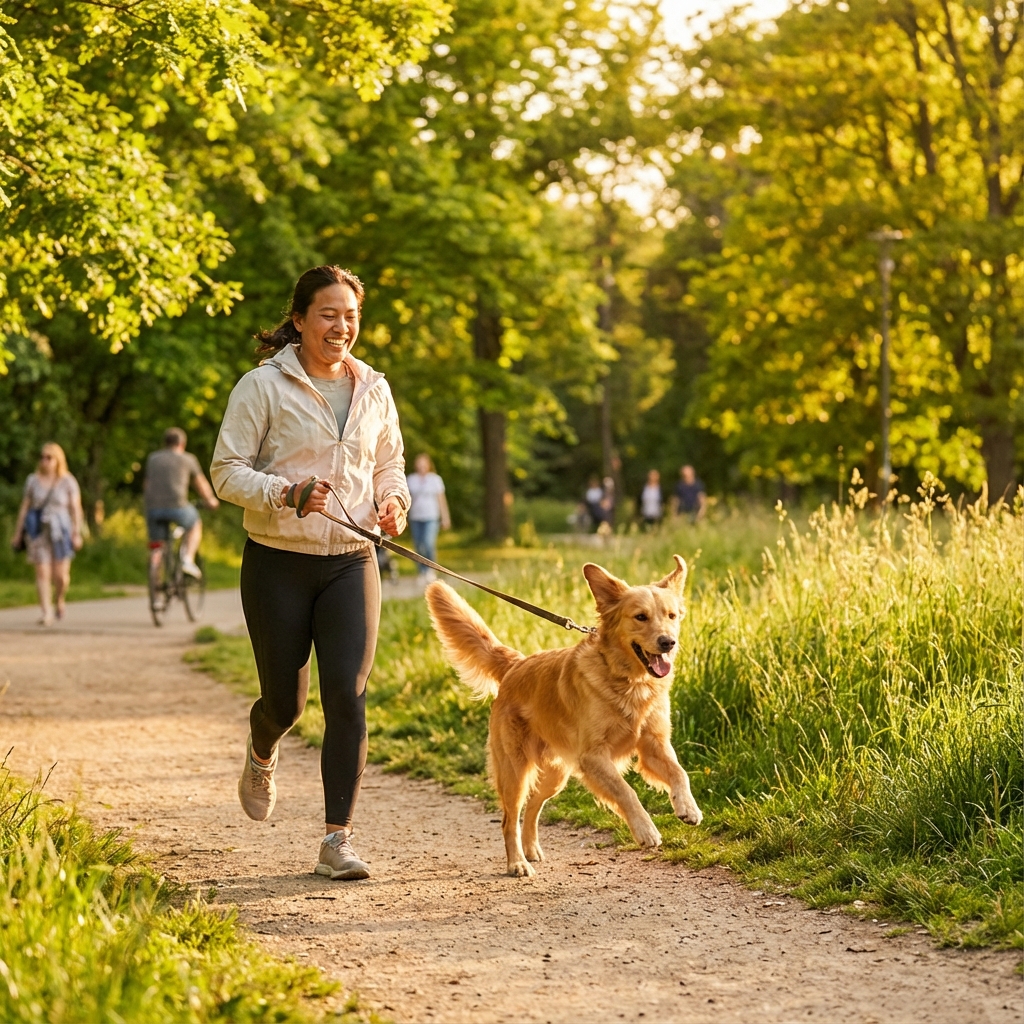
Increase Exercise Regular physical activity stimulates appetite. A good walk or play session before mealtime can work wonders. Establish a Routine Dogs thrive on routine. Feed your dog at the same times each day and remove uneaten food after 15-20 minutes. Address Anxiety If stress is the culprit, work on identifying and reducing stressors. Consider calming aids, increased quality time, or consultation with a dog behaviorist.
When to See the Veterinarian

While occasional appetite fluctuations are normal, certain signs warrant immediate veterinary attention:
- Complete food refusal for more than 24 hours (12 hours for puppies)
- Accompanying symptoms like vomiting, diarrhea, lethargy, or weight loss
- Signs of pain such as whimpering, hunching, or reluctance to move
- Difficulty swallowing or excessive drooling
- Changes in water consumption – drinking more or less than usual
- Behavioral changes like aggression, hiding, or depression Your veterinarian can perform a thorough examination, run necessary tests, and determine if there's an underlying health issue that needs treatment.
Preventing Future Appetite Problems
Regular Veterinary Check-ups Annual or bi-annual vet visits can catch health issues before they become serious. Maintain Dental Health Regular teeth brushing and dental check-ups prevent painful oral issues. Consistent Feeding Schedule Stick to regular mealtimes to establish healthy eating patterns. High-Quality Nutrition Invest in quality dog food appropriate for your dog's age, size, and health needs. Monitor Weight Keep track of your dog's weight to catch any concerning changes early.
Conclusion
A dog refusing to eat can be worrying, but in many cases, the cause is easily identifiable and treatable. By understanding the various reasons behind appetite loss and knowing when to seek professional help, you can ensure your furry companion stays healthy and happy. Remember, you know your dog best. Trust your instincts – if something seems off, a visit to the vet is always the right call. With patience, observation, and proper care, you can help your dog get back to enjoying their meals.
Written by the Pleya Pet Care Team, dedicated to helping pet parents provide the best care for their furry family members.
Was this article helpful?